E-Bike Battery Replacement Signs You Shouldn’t Ignore
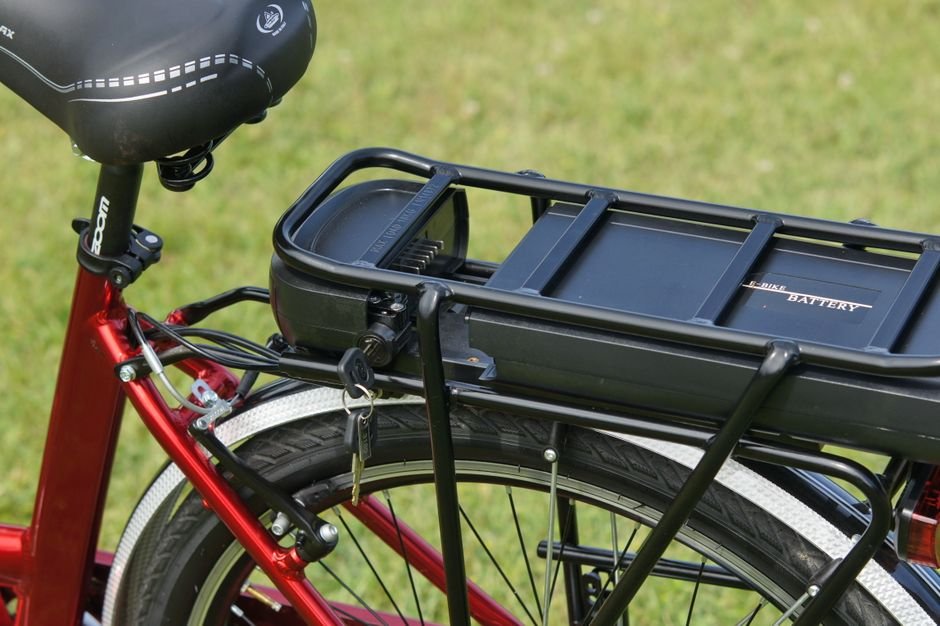
Certain e-bike battery replacement signs are easy to mistake for normal wear, and telling the two apart matters before a pack that’s failing becomes a fire risk. If your e-bike’s battery won’t hold a charge past half its original range, feels warm just sitting on the charger, or cuts power under load, it’s crossed from normal aging into failure — and that calls for a replacement pack, not a firmware update or a different charger.
The clearest e-bike battery replacement signs
Every lithium-ion pack loses capacity over time. Ridden three to five times a week, most e-bike batteries hold onto roughly 70-80% of their original capacity after 500 to 800 charge cycles, and the exact figure varies by cell chemistry, climate, and how often the pack sat fully charged or fully drained for long stretches. That kind of gradual range loss is expected and isn’t a reason to replace anything early.
What isn’t normal:
- Range that drops sharply in a single season rather than tapering slowly over a year or more
- Visible swelling in the case, or a battery that no longer sits flush in its mount
- Heat you can feel through the housing while the bike is parked and not charging
- The bike cutting power mid-ride even though the display still shows charge remaining
- Charge time that’s grown noticeably shorter, which can mean the battery management system is cutting the session early to protect a degraded cell
- A charger that clicks over to “full” within minutes of plugging in a battery that was nearly empty
Any one of those points to cell degradation or physical damage rather than ordinary wear, and riding on a swollen or overheating pack is a fire risk worth taking seriously rather than working around with a slower charging routine.
What to do next
Start the way you’d approach checking a car battery’s health without a multimeter: watch for a consistent pattern across a few charge cycles instead of judging off one bad ride. If the pattern holds — fast range loss, heat, or power cutting out — the pack needs replacing, not troubleshooting. Buy from the bike’s manufacturer or a reputable third party that matches the original voltage and capacity; a mismatched pack can strain the controller and shorten the life of the replacement too.
Check the warranty before buying anything. Many e-bike batteries carry a one- to two-year manufacturer warranty that covers premature capacity loss, and a pack showing these signs well inside that window may be a free replacement rather than an out-of-pocket one.
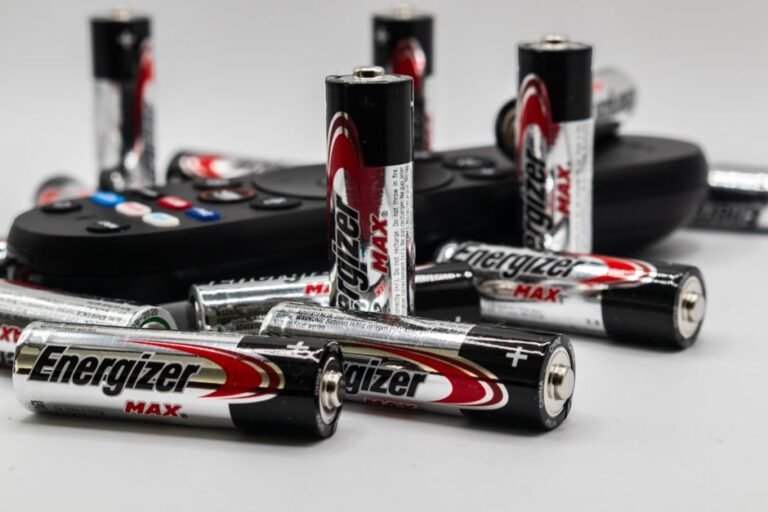
Don’t put a failing battery in household trash or a bin meant for alkaline batteries. Lithium-ion packs need dedicated drop-off, the same rule that applies to any battery showing damage or swelling.
A new pack is a real expense, often a few hundred dollars, but riding on one that’s already shown a warning sign isn’t a way to stretch its life. It’s a way to find out how it fails, usually at the worst possible moment mid-commute rather than in the driveway.