Common Mistakes People Make Charging Power Tool Batteries
Cordless tool packs are lithium-ion, the same chemistry as an EV battery, just smaller — and most charging power tool batteries mistakes come from treating them like they can’t be damaged by habit, when heat and time at extreme states of charge are exactly what wears any lithium-ion cell down faster.
Power Tool Battery Charging Mistakes That Add Up
Charging immediately after heavy use is the first one. A pack that’s been driving a saw or a drill hard comes off the tool already warm, and pushing charge current into a warm cell adds more heat on top of that. Most smart chargers will throttle or delay charging until the pack cools, but not all of them do it well, and a pack that charges hot ages faster than one given ten or fifteen minutes to come down to room temperature first.
Leaving a pack on the charger indefinitely is the second. Modern chargers stop pushing current once a pack is full, but “trickle” maintenance modes that keep a full pack topped up for days still hold it at a high state of charge, and lithium-ion cells age faster sitting near 100% than they do at a moderate charge level. If a charger has a storage or maintenance setting separate from a full charge, that’s the one to use for a pack you won’t touch for a while.
Storing packs at full charge over winter or during a slow season is the third, and it’s often the most damaging because the effect compounds over months rather than hours. A pack left at or near full charge in a cold garage or a hot shed for weeks ages more than one cycled normally, which is worth reading alongside the winter storage checklist for battery-powered tools if the off-season is coming up.
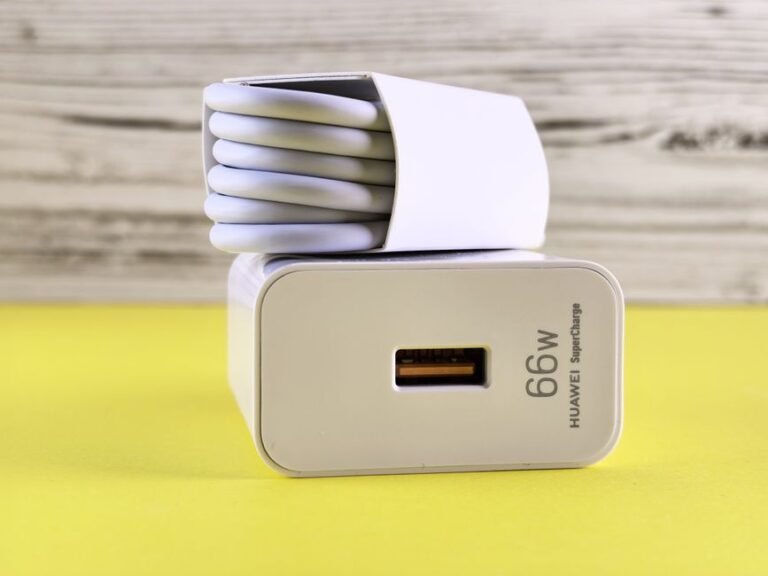
Mixing chargers is the fourth, and the one most likely to cause an actual safety incident rather than just faster aging. A charger built for one pack voltage or chemistry can overcharge a pack it wasn’t designed for, and the BMS inside the pack may not fully protect against a charger that’s feeding it the wrong profile. Use the charger that shipped with the tool or one explicitly rated for that pack, not whatever fits the connector.
Finally, charging a visibly damaged pack — swollen, cracked, or one that’s been dropped hard — is the mistake that matters most. The National Fire Protection Association’s guidance on lithium-ion batteries is worth reading in full, but the short version is: charge on a hard surface away from anything flammable, don’t charge unattended overnight out of habit, and retire a damaged pack instead of trying to get one more charge out of it. For general storage habits beyond charging, see storing rechargeable batteries at home.