How to Prepare for a State Vehicle Inspection
Most failed state vehicle inspections come down to the same handful of items, and nearly all of them are things you can check in your own driveway the weekend before. Requirements vary by state, but safety inspections generally center on lights, tires, brakes, wipers, and glass, while emissions testing where it applies is a separate check on your exhaust system.
What actually gets checked
Start with every light on the car: headlights on both high and low beam, taillights, brake lights, turn signals, and reverse lights. Have someone stand outside while you cycle through each one, or back up to a reflective garage door. A single burned-out bulb is one of the most common reasons a car gets sent back, and it’s also the cheapest fix on this whole list.
Tire tread depth is checked next in most states, typically against a 2/32-inch minimum measured with a simple gauge or the penny test. Windshield wipers should clear glass in one pass without streaking or skipping, and the windshield itself needs to be free of cracks that sit directly in the driver’s sight line — a chip off to the side is usually fine, but a spreading crack in front of the wheel often isn’t.
Under the hood and underneath
Brake inspections generally check pad thickness and that the pedal doesn’t sink to the floor under steady pressure. If you’ve heard grinding or felt the pedal go soft, get it looked at before the test rather than during it, since a flagged brake issue on a state inspection report follows the car’s record. Suspension components get a visual check for obvious leaks or looseness, and exhaust systems are checked for leaks and, in states that require it, tailpipe emissions within limit.
| Common failure point | Quick check beforehand |
|---|---|
| Burned-out bulb | Cycle every light with a helper |
| Worn tire tread | Penny test or tread depth gauge |
| Wiper streaking | Run washer fluid and check the pass |
| Cracked windshield | Check the driver’s direct sight line |
| Soft brake pedal | Address grinding or sinking before the test |
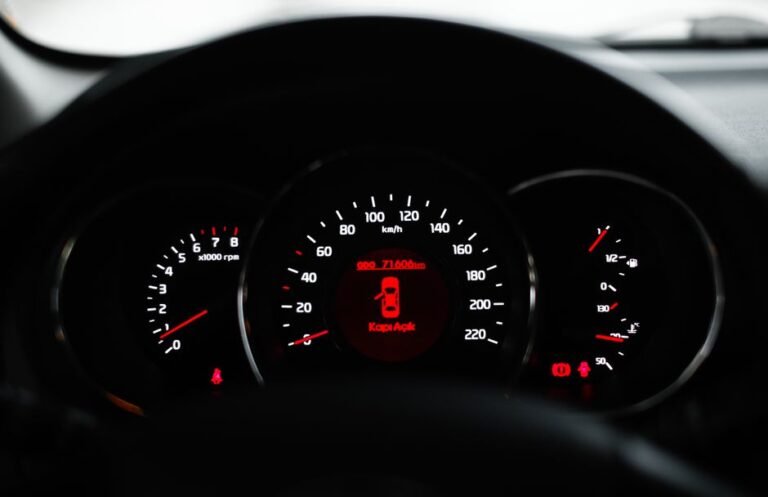
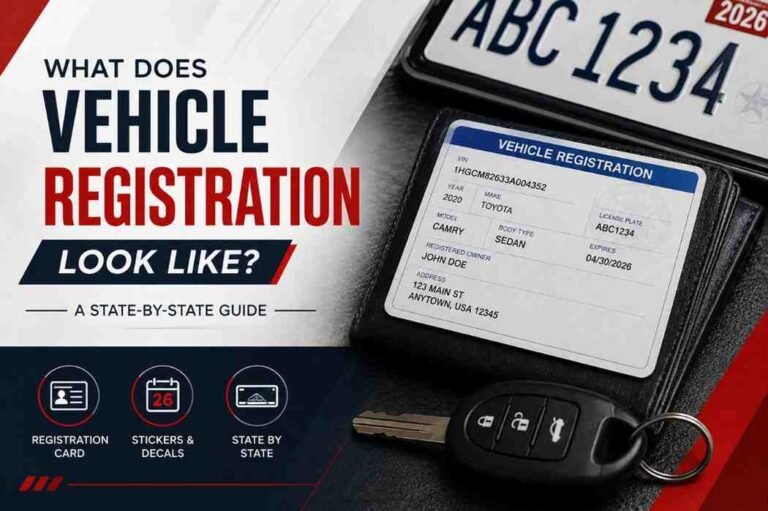
A few items are worth confirming a day or two ahead rather than the morning of: registration and insurance paperwork current and in the car, and if your check engine light is on, know that many states will fail an inspection outright while it’s illuminated, regardless of the underlying cause. If you’re not sure what your specific state requires, state DMV inspection requirements are listed through USA.gov, since the list of checked items and the retest window both vary by state.
A wheel alignment issue won’t fail most safety inspections directly, but it’s worth checking anyway since uneven tire wear from a misaligned suspension can push tread depth below the legal minimum faster than you’d expect. Same with checking brake pad wear yourself beforehand — a five-minute look often catches what would otherwise be a same-day trip back to the shop.