Common Mistakes People Make With Drone Battery Care
Most drone batteries don’t die of old age — they die of habits. Drone battery care mistakes like charging right after a flight, storing packs fully charged, or ignoring a puffy cell shave years off a pack that could otherwise last hundreds of cycles.
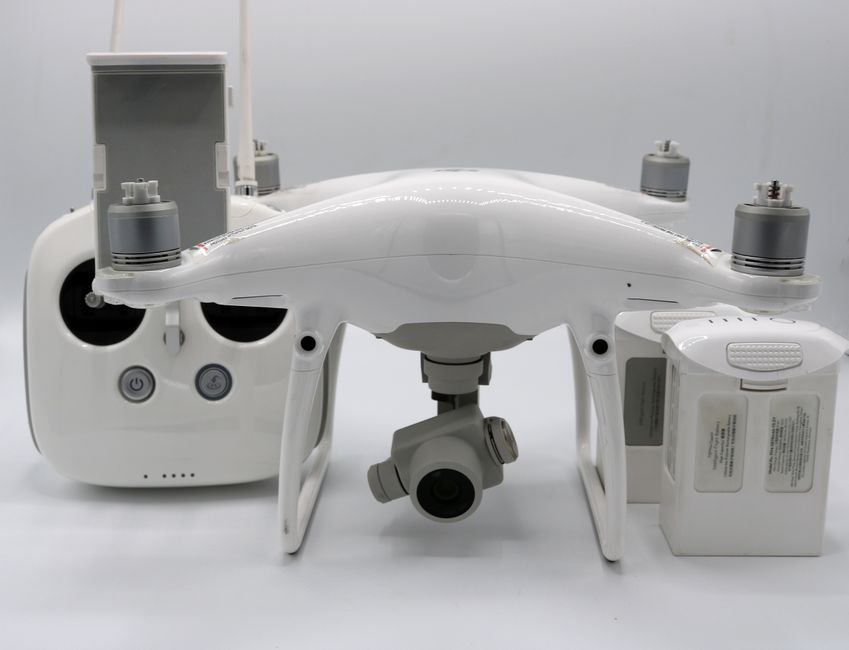
Drone batteries work harder than almost anything else in consumer electronics. They discharge at high current in short bursts, get warm during flight, and are frequently charged in the field rather than in a controlled environment. That combination makes them less forgiving of bad habits than a phone or laptop battery.
The Drone Battery Care Mistakes That Do the Most Damage
- Charging immediately after flying. A pack is warm right after landing, and charging a warm cell accelerates degradation. Let it cool to room temperature first.
- Storing packs at full charge. Lithium-based cells age faster sitting at a full charge than at a partial one. Most drone manufacturers recommend a partial storage charge for anything longer than a few days, using a charger’s storage mode if it has one.
- Flying a pack down to empty. Most flight controllers warn well before true empty, but ignoring low-battery alerts and pushing for one more pass stresses cells and risks an in-flight power cut.
- Ignoring a puffy or swollen pack. A pack that’s ballooned in its wrapper is done. Flying it or continuing to charge it is a fire risk, not a battery you can nurse along.
- Leaving packs in a hot car. Heat is one of the biggest accelerants for battery aging, and a car interior in direct sun regularly reaches temperatures a pack should never see.
Because these packs are shipped and carried more than most batteries, FAA guidance on lithium battery safety is worth knowing even for hobbyists — it covers why a damaged or swollen pack shouldn’t be checked or carried on aircraft at all, the same damage that makes it unsafe to fly.
Fast charging in the field is convenient between flights, but it’s also one of the harder things a drone pack goes through. The same trade-off covered in fast charging versus battery lifespan applies here — a quick top-up between flights costs some long-term capacity, and doing it every single session adds up faster on a pack that’s already working hard.
Why Drone Batteries Age Faster Than Most Consumer Batteries
A phone battery discharges at a modest rate through a normal day. A drone pack discharges far harder during flight, generating more internal heat per cycle in the process. That’s a large part of why a well-cared-for drone battery commonly lasts a few hundred cycles rather than the much higher cycle counts often quoted for phone batteries — the workload isn’t comparable, so the lifespans shouldn’t be compared directly either.
The same habits that apply to any rechargeable battery stored at home apply here, just with less margin for error. A drone pack that’s been mistreated a handful of times will show it sooner than a phone battery would.
If a pack swells, smells odd, or puffs out its wrapper, the flying is over — recycle it properly and don’t try to get one more flight out of it.