How Battery Second-Life Storage Projects Work
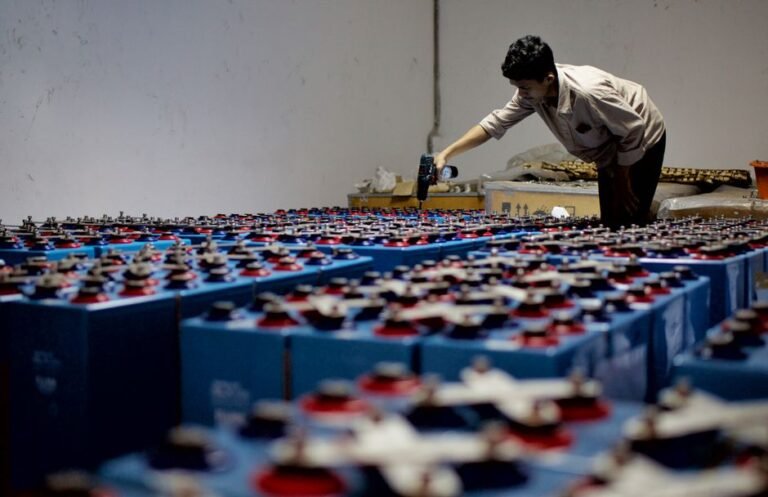
An EV pack that’s dropped to 70-80% of its original capacity is retired from the car, but it isn’t close to done. Ev battery second life storage takes packs that no longer meet a vehicle’s power and range demands and repurposes them for stationary jobs — storing solar output, smoothing demand at a grid substation, backing up a warehouse — where that lower capacity is still perfectly usable for another decade or more.
Why a Worn-Out EV Pack Still Has Value
The 80% threshold that ends a pack’s automotive life is set by what a car needs: enough range and enough punch under acceleration to feel normal to drive. A stationary storage system doesn’t care about acceleration and rarely needs the pack to charge or discharge as fast as a car does, so a pack that’s no longer good enough for daily driving can still cycle reliably in a building basement or a shipping-container-sized enclosure next to a solar array. The economics work because the alternative to second-life use is recycling the pack immediately, which is a legitimate end point but skips years of remaining useful capacity.
What a Second-Life Project Actually Involves
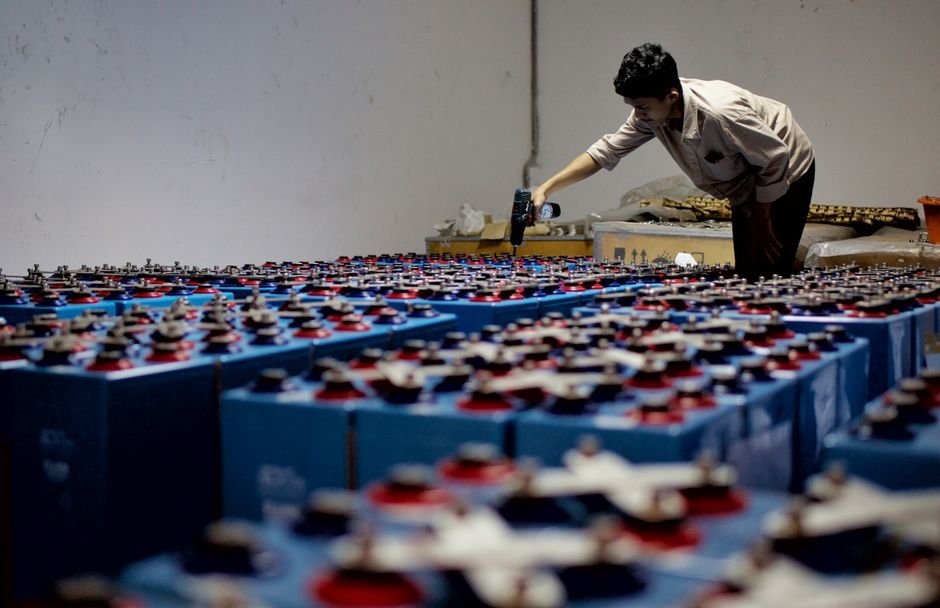
Packs arriving from retired vehicles aren’t identical — they’ve aged differently depending on climate, charging habits, and how the original car was driven. Before installation, each pack (or often each module) gets tested and sorted, then regrouped with modules of similar remaining capacity so the whole system ages evenly rather than being limited by its weakest link. That grading and pack-management step is the real engineering work in second-life storage, more than the physical repurposing itself.
- Solar-plus-storage sites use second-life packs to store daytime generation for evening use
- Utilities deploy them for short-duration grid stabilization rather than long backup
- Some installations pair second-life modules with a fresh battery management system built specifically for mixed-age cells
None of this involves opening or modifying the high-voltage pack itself outside a certified facility — the packs are handled, tested, and reconfigured by technicians with the training and equipment for high-voltage work, not disassembled as a shop project. How battery recycling works covers the end of the line for packs that don’t get a second act, and the two paths increasingly work together: second-life use extends the timeline before recycling, it doesn’t replace it.
Where This Fits Next to Home Battery Storage
Homeowners looking at battery storage today are mostly buying new dedicated units rather than second-life EV packs, since sourcing and warrantying used packs at residential scale is still a small market. Home battery storage versus the grid walks through that decision for a single household. Second-life deployment is currently concentrated at utility and commercial scale, where the volume of retired packs and the engineering resources to grade and manage them both exist. The EPA’s guidance on used lithium-ion batteries covers the handling and end-of-life side of this pipeline in more detail.