How to Check Brake Pad Wear Without Removing the Wheel
You don’t need to pull a wheel to check brake pad wear — most wheels have enough gap between the spokes to see the pad pressed against the rotor. If the visible pad material looks thinner than a quarter-inch, or you can’t make out a clear line between pad and rotor at all, that’s worth a proper inspection soon.
How to check brake pad wear through the spokes
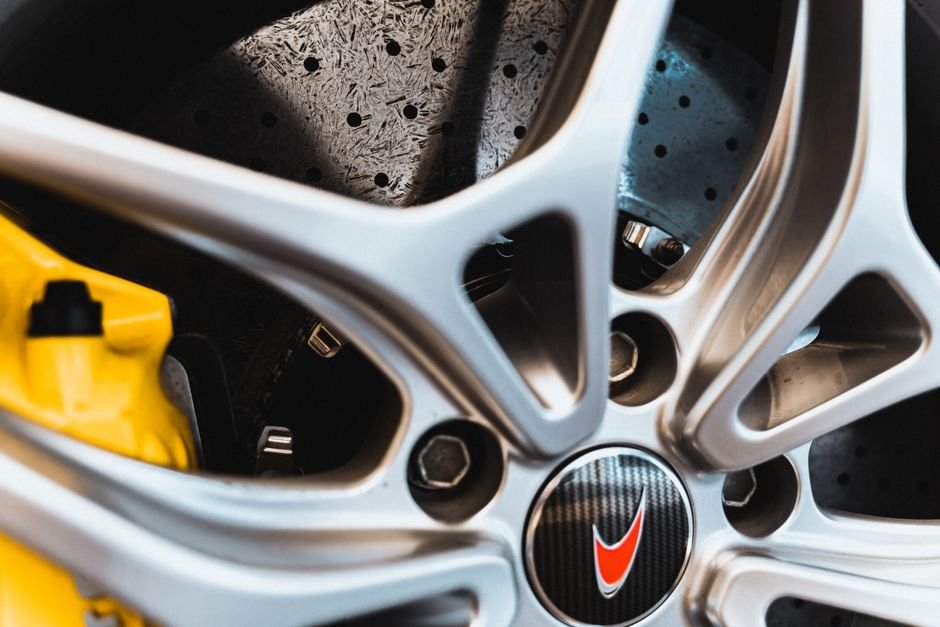
Turn the steering wheel toward you if it’s the front brakes you want to check, so the caliper faces more into view, then look through the wheel spokes at the outer pad pressed against the rotor. A healthy pad shows a clear strip of friction material, usually a quarter-inch or more, sitting between the metal backing plate and the rotor surface. If that strip has thinned to a sliver, or the backing plate looks like it’s nearly touching metal-on-metal, don’t wait for a scheduled service to deal with it.
A flashlight and your phone’s camera help here more than your eyes alone do — a photo zoomed in afterward often shows the pad thickness more clearly than squinting through the spokes in daylight.
- Thick, even pad material on both sides you can check: probably fine until your next scheduled rotation
- Pad material thinner than a nickel: get it inspected within a few weeks
- Pad material you can barely see, or a metallic screeching noise while braking: don’t drive on it longer than necessary to get to a shop
- Uneven wear between the two front wheels: often points to a sticking caliper, not just mileage
Sounds and feel tell you things a visual check can’t
A high-pitched squeal that shows up only when braking and disappears otherwise is frequently a built-in wear indicator doing its job — a small metal tab designed to contact the rotor once the pad gets thin. A grinding or growling sound is a different problem: that usually means the pad is already gone and metal is contacting metal, which damages the rotor and costs more to fix the longer it continues. Pulsing or vibration through the brake pedal points toward a warped rotor rather than the pad itself, and pulling to one side under braking suggests uneven wear or a stuck caliper on that side.
Brake pad wear isn’t linear with mileage the way tire wear roughly is — city driving with frequent stops wears pads faster than highway miles, and towing or carrying heavy loads accelerates it further. That’s part of why a visual check between services catches problems that a mileage-based reminder alone would miss, alongside the routine checks covered in a pre-road-trip checklist.
If you’re not confident reading pad thickness through the wheel, a shop can check it in a few minutes while doing a routine tire rotation, since the wheels are already off. The Department of Energy’s vehicle maintenance guide covers where brake condition fits into the broader maintenance picture. When in doubt, get it looked at — a pad replacement is cheap next to a warped rotor from waiting too long.