Signs a Rechargeable Battery Needs Replacing Soon
A rechargeable battery is worth replacing once it holds noticeably less charge than it did when new, feels warm during normal use, or won’t make it through a task it used to handle easily. Knowing when to replace a rechargeable battery comes down to watching for a handful of specific signs, not just a vague sense that “it doesn’t last as long anymore.”
The first sign: runtime that drops in steps, not a slope
Every rechargeable battery loses some capacity over time. That decline is normal and gradual — a battery that runs a cordless drill for 40 minutes when new might run it for 34 minutes after a year of regular use. That’s aging, not failure. What signals real trouble is a sudden step down: a battery that ran a device for an hour last week and now quits in fifteen minutes. A sharp, sudden drop usually means one or more cells inside the pack have failed, not that the whole battery is gradually wearing out. For more on what’s happening chemically during that decline, see what battery degradation actually measures.
Physical warning signs mean stop using it now
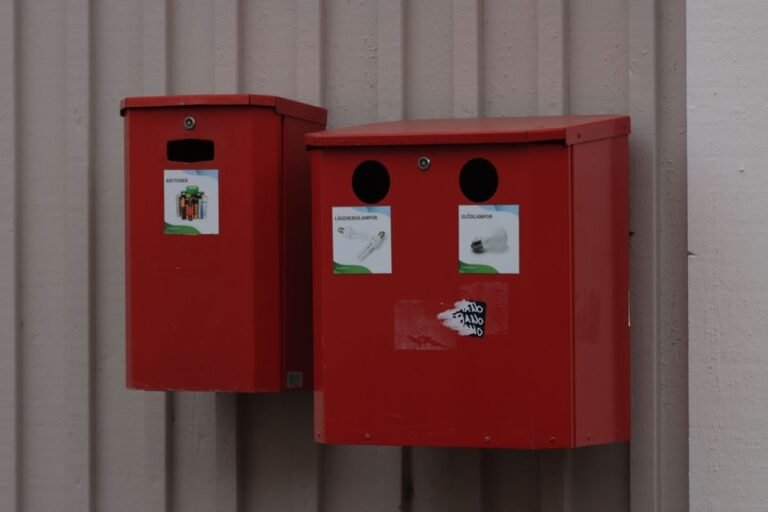
Some signs aren’t about performance at all — they’re about safety. Any swelling or puffiness in the casing, a battery that gets hot to the touch during normal charging (not heavy use, just charging), a chemical smell, or visible corrosion at the terminals means the battery should be removed from service immediately, not monitored for a few more weeks. These are signs of internal cell damage, and continuing to charge or discharge a swollen battery raises real fire risk. Set it aside for proper recycling rather than trying to use it down to empty first.
A rough capacity threshold worth knowing
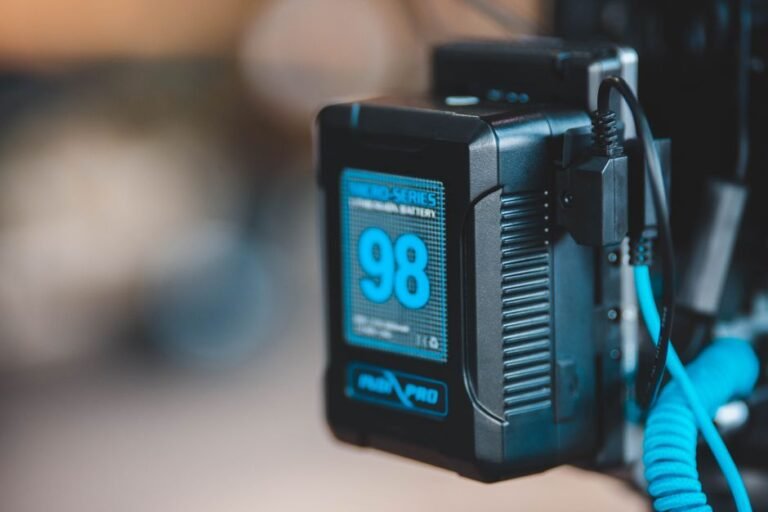
Battery manufacturers commonly use 80% of original capacity as the point where a pack is considered functionally worn out, since the remaining capacity tends to fall off faster after that point. You won’t always have a way to measure this precisely at home, but if a battery-powered tool or device includes a battery health percentage in its app or display, that 80% mark is a reasonable point to start budgeting for a replacement rather than waiting for a failure.
- Runtime drops sharply within weeks, not gradually over a year
- Casing feels warm or hot during normal charging
- Any swelling, bulging, or smell — stop use immediately
- Charge indicator jumps erratically or the device shuts off at a reported 30-40% charge
- Battery won’t hold a charge overnight when it used to
If you’re storing spare packs rather than replacing them right away, how they’re kept matters almost as much as their age — see this guide to storing rechargeable batteries at home for the mistakes that shorten a battery’s life before it even gets used. For safe disposal or recycling once a pack is retired, the EPA’s guidance on used lithium-ion batteries covers what to do with a battery you’ve pulled from service.
When in doubt, the physical signs outweigh the performance signs. A battery that’s merely getting weaker can usually run a few more months on reduced expectations. A battery that’s warm, swollen, or smells off should come out of rotation today.