
Common Mistakes People Make Storing Rechargeable Batteries at Home
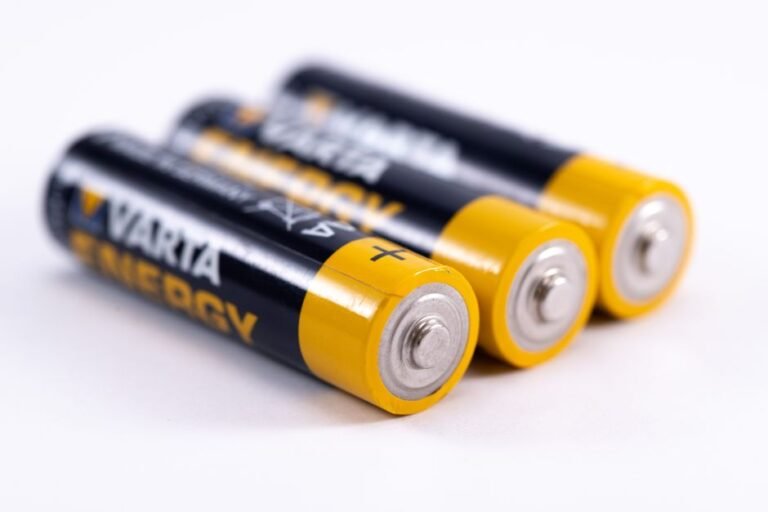
If you store rechargeable batteries fully charged in a hot garage, you’re quietly cutting their lifespan. It’s the single most common mistake people make, and a few simple habit changes can meaningfully extend how long a set of batteries stays useful.
Charge level and temperature
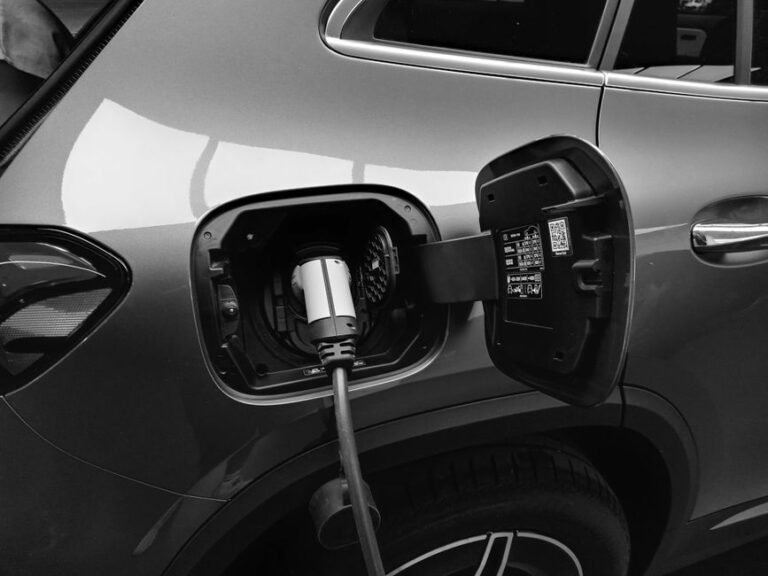
Most rechargeable chemistries age faster when stored at or near full charge, similar to how EV batteries behave — if you’re not using a device for a while, storing the battery at a partial charge, generally somewhere in the middle of its range, preserves capacity better than storing it full or completely empty. Heat compounds the problem: a garage, car, or anywhere that gets hot in summer is a poor storage spot. A cool, dry place indoors, away from direct sunlight, works better for anything you’re not using regularly. A closet shelf or a drawer away from any heat source works better than most people assume — you don’t need anything special, just consistency and distance from temperature swings. Rechargeable batteries also self-discharge slowly even in ideal storage conditions, which is normal and not a sign anything is wrong — it just means a battery pulled from a drawer after months of storage may need a full charge before use.
It’s worth checking stored batteries every few months rather than assuming they’re fine untouched for years — a battery that’s developed a swollen casing or a chemical smell should be taken to a recycling drop-off point immediately, not used again.
Mixing batteries, and what actually helps
Combining batteries of different ages or chemistries in the same device can cause the weaker one to be overworked by the stronger ones, shortening the whole set’s lifespan and, in some cases, creating a safety risk. Keep sets together as they age and replace them as a set rather than swapping in one new battery at a time. This applies even within the same package of batteries bought together — if one drains noticeably faster than its siblings in the same device, it’s worth pulling it from the set rather than assuming it’ll even out over time.
- Store at a partial charge for long-term storage, not full or completely dead.
- Keep batteries somewhere cool and dry, not in a hot garage or car.
- Don’t mix old and new batteries, or different chemistries, in the same device.
- Recycle batteries that no longer hold a useful charge rather than storing them indefinitely.
For safe storage and recycling guidance, see the EPA’s guidance on lithium-ion batteries, for what happens to a battery once it’s beyond saving, our guide to how battery recycling works covers the process, and for what that capacity loss measures, our piece on what battery degradation measures explains it.
Heat and full-charge storage are the two habits doing the most damage. Both are free to fix.