How Battery Recycling Works, Step by Step
Here’s what happens to a battery pack once it’s pulled from a car, step by step. Recycling works by mechanically shredding the pack into a mixed material, then chemically or thermally separating out the valuable metals for reuse in new batteries — a more industrial process than most people picture.
Collection and discharge
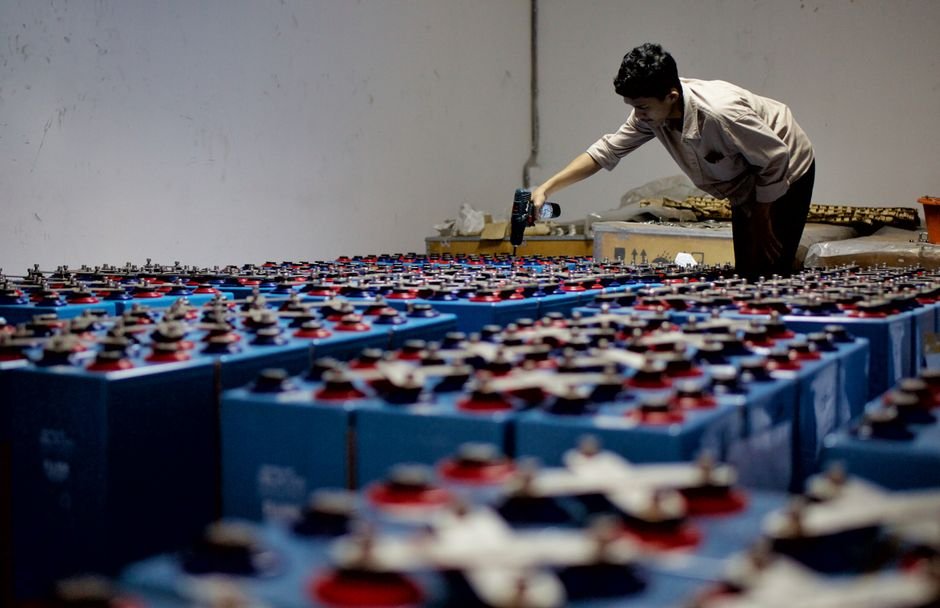
Before a pack can be processed, it has to be fully discharged and disassembled to the module level, since a battery retaining significant charge is a fire risk during shredding. A pack that’s been in a collision or shows signs of damage requires extra caution at this stage, since physical damage to a cell increases the risk of a fire during handling. This step happens at specialized facilities, not general recycling centers, which is part of why EV battery recycling isn’t as widespread yet as recycling for other materials. Some manufacturers now design packs with recycling in mind from the start, using fewer adhesives and more standardized fasteners specifically so modules can be separated faster once a pack reaches a recycling facility.
Shredding
Once safely discharged, modules are shredded into a mixed material sometimes called “black mass,” which contains the valuable metals along with other battery components. This step is done under controlled conditions specifically because black mass contains reactive materials that need careful handling, and facilities that process it are typically kept separate from other stages for safety reasons.
Separation
That mixed material goes through either a chemical process, known as hydrometallurgical recycling, or a heat-based process, known as pyrometallurgical recycling, to separate out usable materials like lithium, cobalt, and nickel.
What gets recovered
Modern processes recover a substantial share of a battery’s key metals, and recovered material is increasingly going back into new battery production rather than being treated as waste. Recovery rates vary by process and facility, and keep improving as the industry scales up alongside EV adoption. Lithium recovery in particular has historically lagged behind cobalt and nickel recovery, partly because lithium is cheaper to mine fresh than to extract from black mass — though that economic balance is shifting as demand grows and extraction processes improve. For more detail, see the EPA’s guide to used lithium-ion batteries.
What it means for owners
Never attempt to dismantle or discharge a pack yourself — this is exactly the kind of work that needs specialized equipment and training. At end of life, a pack typically goes through the manufacturer or a dedicated recycling partner, not a general scrapyard, and often gets a second life in stationary energy storage before it’s actually recycled. If you’re deciding between chemistries, see our guide to lithium-ion vs solid-state batteries, and for how to treat batteries you already own, our piece on common mistakes storing rechargeable batteries at home covers the basics.
The process is well understood and improving every year. The infrastructure to do it everywhere is still catching up.