Graphene Battery Technology: What’s Promised vs. What’s Real
Graphene batteries in most consumer products are conventional lithium-ion cells with a graphene additive, not the new battery category the marketing implies.


Graphene batteries in most consumer products are conventional lithium-ion cells with a graphene additive, not the new battery category the marketing implies.

Silicon anode technology can boost battery range, but swelling and durability problems mean the gains are arriving in small doses, not overnight.
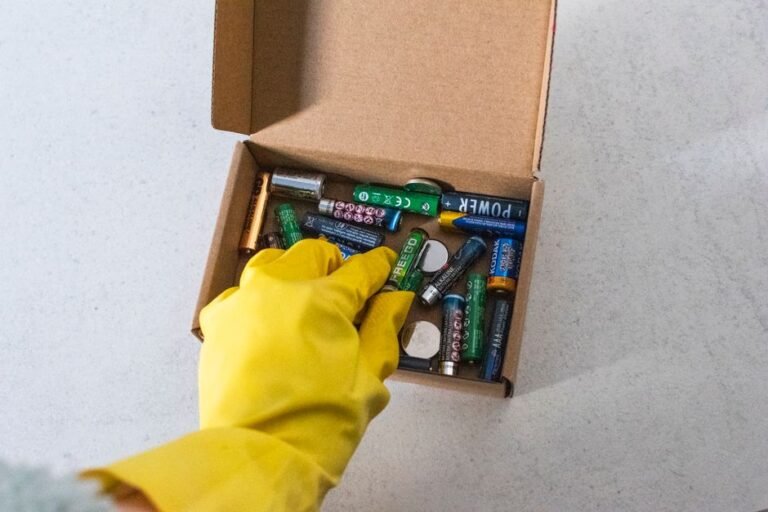
Cobalt-free doesn’t mean lower quality — it means a different trade-off between cost, range, and supply-chain risk.

Battery degradation measures maximum capacity, not day-to-day performance — and the loss usually isn’t a straight line.
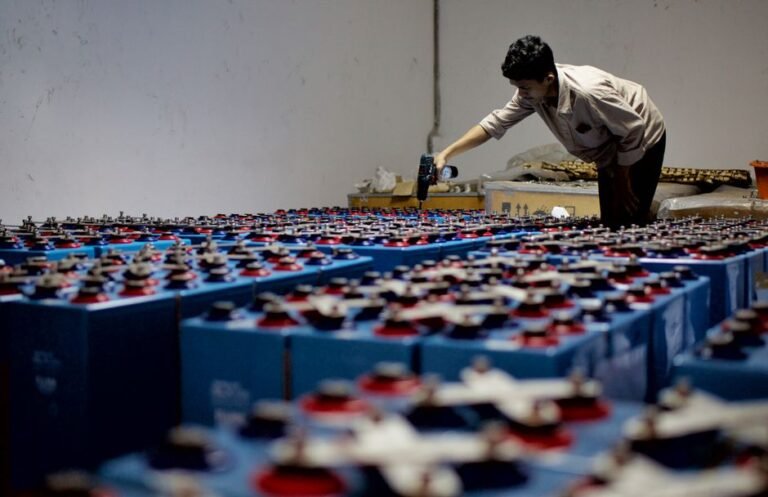
Battery recycling is a genuinely industrial process, from discharge through shredding to chemical metal recovery.
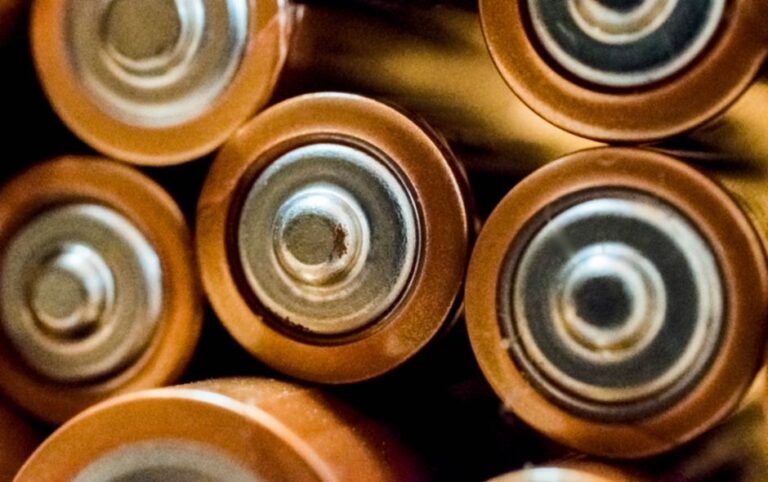
Solid-state batteries promise real advantages, but the near-term reality is more incremental than the roadmap slides suggest.
End of content
End of content