Roof Orientation Solar Output: Why South-Facing Isn’t the Only Option
Does your roof need to face south for solar to be worth it? No. In the Northern Hemisphere, south-facing panels generally produce the most energy over a year, but east- and west-facing roofs often produce a meaningful share of that, and the gap is smaller than many homeowners assume.
Roof orientation solar output differences depend on your latitude, the roof’s pitch, local weather and shading. A rough, commonly cited range is that east or west panels produce something like 10 to 20 percent less over a year than south-facing ones. Treat that as a ballpark, not a promise; your site may land outside it.
North-facing roofs are a different story. Unless the pitch is shallow, output usually drops enough that most installers will steer you away from that plane.
Roof orientation solar output through the day
Orientation shifts when panels produce, not only how much. South-facing arrays peak around midday. East-facing panels produce more in the morning, and west-facing panels more in the late afternoon.
That timing can matter more than total output. If your utility uses time-of-use pricing with expensive evening hours, west-facing production lines up better with the hours when power costs the most. A home where people are out during the day and back by late afternoon may use more of its west-facing output directly instead of exporting it. How exports are credited depends on your utility, which we explain in what net metering means for your electric bill.
Splitting panels across east and west planes also spreads production over a longer part of the day. Peak output is lower, but the curve is flatter, which can suit an inverter sized a little smaller.
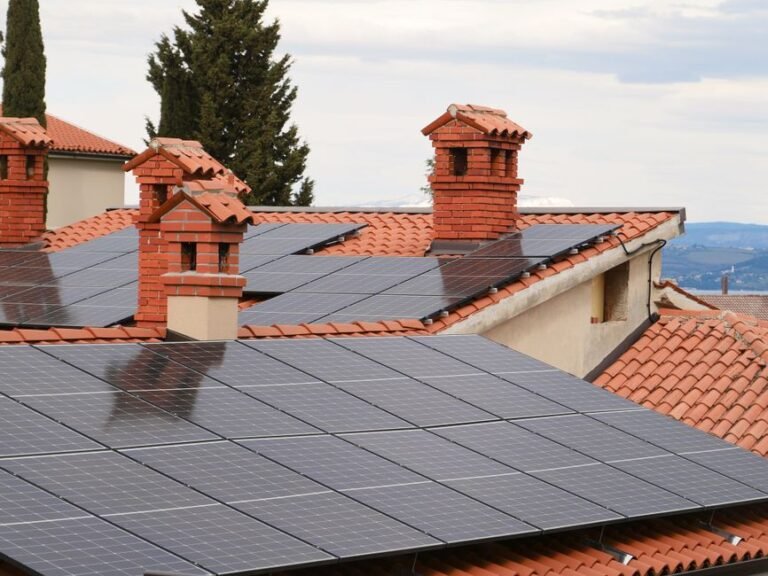
Tilt plays alongside direction. A steep roof facing east or west loses more than a shallow one, because a low-pitched roof catches sun from more directions. That is why two houses with the same orientation can get different estimates.
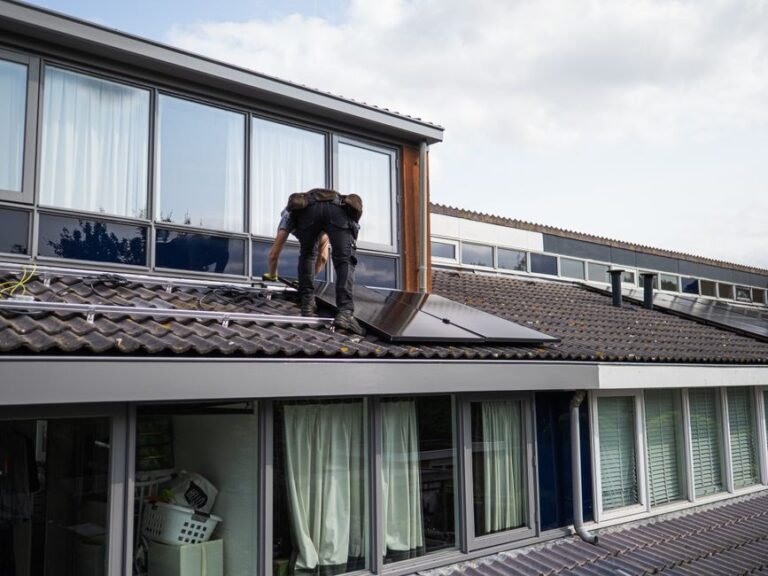
Panels on an east or west plane can also be mounted on tilt racks to angle them toward the south, but on most pitched residential roofs that adds cost, wind load and permitting questions for a modest gain. Installers usually prefer to mount flush and simply add a panel or two to make up the difference, which is often the cheaper route.
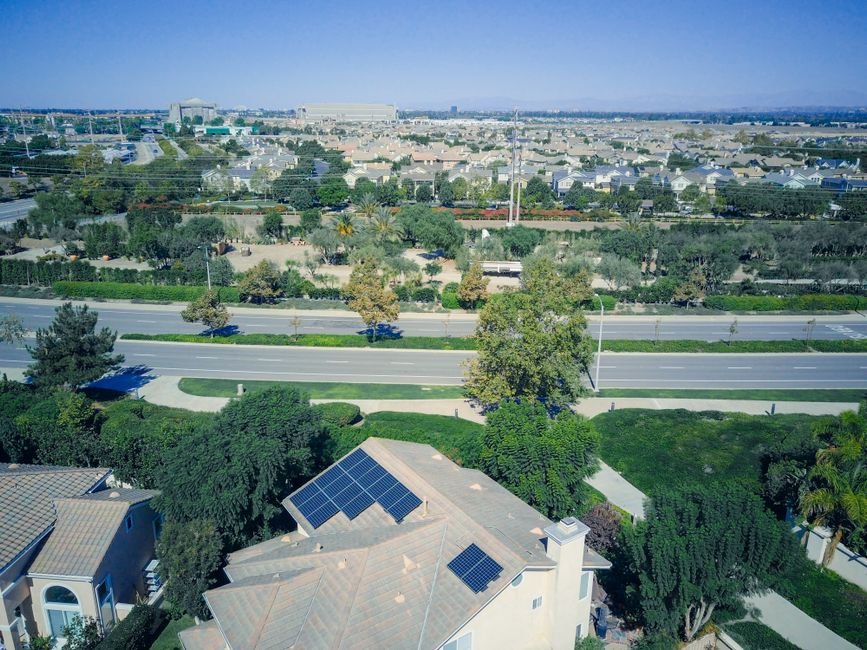
Shading usually outweighs orientation. A clear west-facing roof will often beat a south-facing one shaded by trees for half the day. The only way to know is a site-specific production estimate that models your actual roof planes and obstructions, not a satellite guess.
When you get quotes, ask each installer to show expected production for each roof plane separately. If one plane contributes little, you can drop those panels and save the cost. Our checklist for choosing a solar installer covers the other questions worth asking.
For background on how location and sun angle shape solar production, the U.S. Energy Information Administration has a clear explainer on solar energy.
An east or west roof is rarely a dealbreaker. A shaded one often is.