What Does a Solar Inverter Do? The Box That Makes Panel Power Usable
Your panels produce direct current (DC), but your outlets, appliances and the grid all run on alternating current (AC). That conversion is the core of it, and without it the panels on your roof can’t power anything in the house.
It also does more than flip current. The inverter tracks the best operating point for your panels as light changes through the day, monitors production, and shuts the system off when the grid goes down.
What does a solar inverter do in a blackout?
Grid-tied inverters are required to stop exporting power when the utility grid fails. This protects line workers who may be repairing wires they expect to be dead. It surprises many owners: a standard solar system with no battery usually provides no power during a blackout.
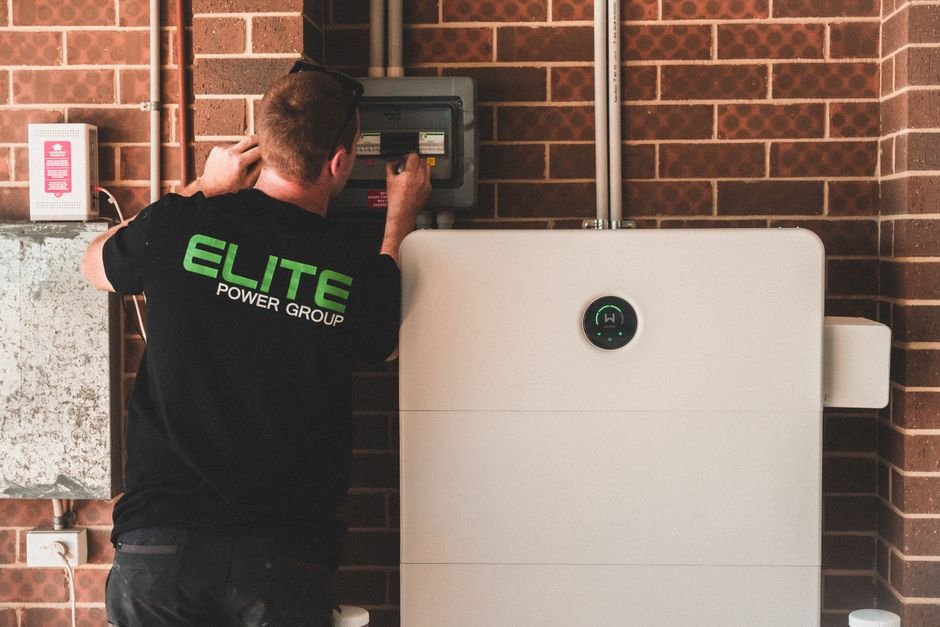
Keeping lights on in an outage requires battery storage and equipment designed to isolate your home from the grid. Whether that is worth the cost is covered in home battery storage vs the grid.
The main types
| Type | How it works | Where it fits |
|---|---|---|
| String inverter | One central unit converts power from a whole row of panels | Simple, unshaded roofs facing one direction |
| String inverter with optimizers | Small devices on each panel tune output before it reaches the central unit | Roofs with some shading or mixed angles |
| Microinverters | A small inverter behind each panel converts power on the spot | Complex roofs, partial shade, systems you may expand later |
| Hybrid inverter | Handles both panels and a home battery | Systems with storage now or planned |
Why the choice matters
With a basic string inverter, one shaded panel can drag down the whole string. Panel-level electronics limit that loss, at a higher upfront price. On a clean, south-facing roof with no shade, that extra spend may not return much.
Sizing matters too. An inverter slightly smaller than the panel array is common and can be sensible, since panels rarely hit full rated output. Too small, though, and it clips production on bright days. That is one of the points covered in solar sizing mistakes.
The part most likely to need replacing
Inverters are electronics that run hot and work every sunny day, so they often wear out before the panels do. Warranty terms vary widely by manufacturer and type; central inverters have historically carried shorter warranties than panels, while many microinverters come with longer ones. Check the inverter warranty separately from the panel warranty in any quote.
Most modern inverters also report production to an app or web portal. That monitoring is worth setting up on day one. A sudden drop in output, an error code, or a system that shows zero on a sunny afternoon is often the first sign of an inverter fault, and catching it early means fewer lost days of production while you wait for a repair.
The U.S. Department of Energy has a plain explainer on inverters and grid services.
Inverters carry high voltage on both the DC and AC sides. Installation, replacement and any troubleshooting beyond reading the display belong with a licensed electrician or certified installer, and usually require a permit.