Home Battery Storage vs the Grid: How to Decide What You Need
A home battery makes the most sense in two situations: frequent grid outages, or a utility rate structure that rewards shifting your usage away from peak hours. Outside of those, the case for home battery storage vs grid reliance alone is a lot less clear-cut than installers tend to suggest.
What a battery buys you
Battery backup keeps essential circuits running during an outage — refrigerator, some lighting, maybe a well pump — for a limited number of hours, not the whole house indefinitely. Whole-home backup for an extended outage generally needs either a much larger battery than most households install or a backup generator alongside it. Sizing that gap correctly matters more than the marketing photo of a house glowing through a blackout.
Time-of-use rates change the calculation
If your utility charges more for electricity during specific peak hours, a battery charged during cheap off-peak hours, or from solar during the day, can shift your usage away from the expensive window. Whether that saves real money depends on how big the rate gap is and how the utility’s time-of-use schedule lines up with your household’s actual usage pattern.
Grid reliability where you live is the real variable
A household in an area with frequent multi-hour outages gets a very different value from a battery than one on a stable grid that rarely loses power. Check your utility’s own reported outage frequency and duration for your area before assuming a battery is worth the cost — it’s a factual number your utility can usually provide, not a guess.
Installation and lifespan are part of the decision
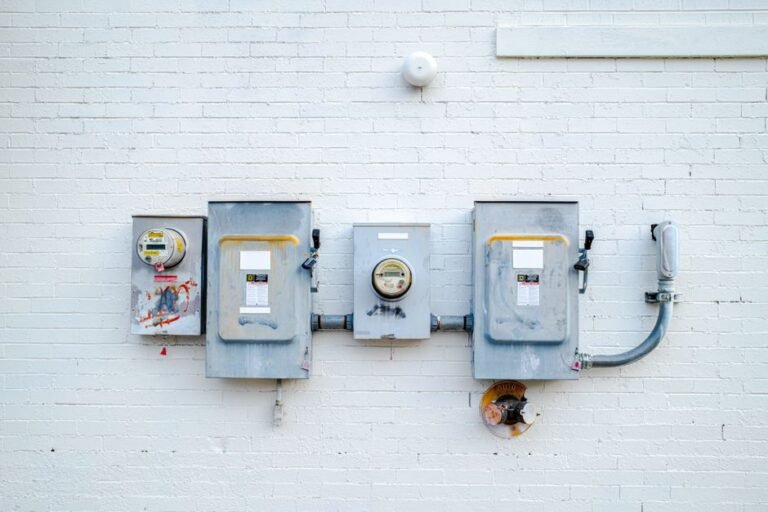
A home battery is a significant upfront cost on top of any solar system, and most come with warranties covering a set number of years or charge cycles, after which capacity has typically dropped to some fraction of new. Installation may also require an automatic transfer switch and, on some setups, panel upgrades to isolate backed-up circuits from the rest of the house — costs worth getting quoted before you compare battery brands.
Pairing with solar changes what a battery can do
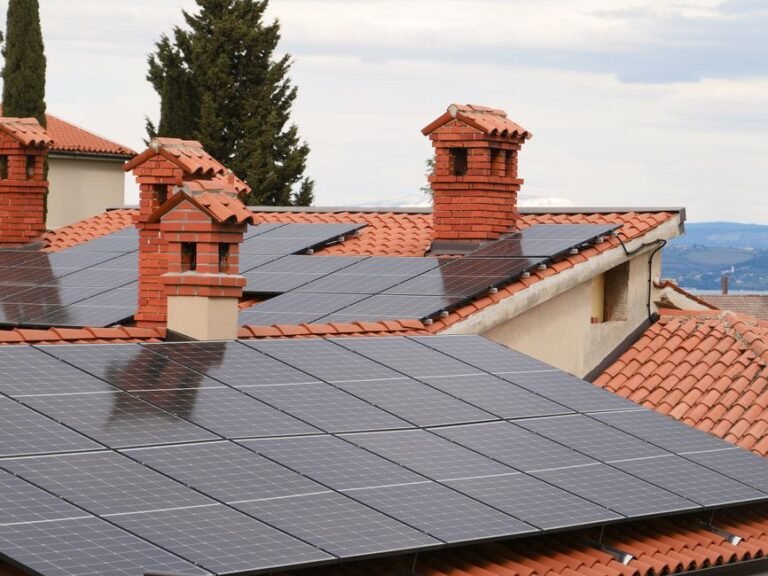
A battery paired with solar panels can recharge during daylight hours of an extended outage; a standalone battery without solar only has what it was charged with before the grid went down. That difference matters most for outages lasting longer than a day.
Home battery storage vs grid: the questions that matter
| Question | Why it matters |
|---|---|
| How often and how long does your grid lose power? | Determines how much backup value you get |
| Does your utility offer time-of-use or demand rates? | Determines whether load-shifting saves money |
| What circuits do you need backed up? | Determines the battery size you need |
| Is the battery paired with solar or standalone? | Changes both cost and how it recharges during an outage |
For a broader look at how home energy costs and options fit together, the Department of Energy’s Energy Saver resource is a good starting point.
A battery sized for your actual outage risk and rate structure is a reasonable investment. A battery sized off a glossy brochure photo of a blacked-out neighborhood usually isn’t.