What Community Solar Means If You Can’t Install Panels
If you rent, live in an apartment, or have a roof that’s shaded or facing the wrong way, community solar may let you buy into solar power without installing anything. You subscribe to a share of a larger solar farm nearby, and the power it produces shows up as a credit on your electric bill.
So what is community solar in practice? It’s mostly a billing arrangement. The electrons from the farm go into the local grid like any other power. What you get is a financial share of the output, applied to your account.
How the credits work
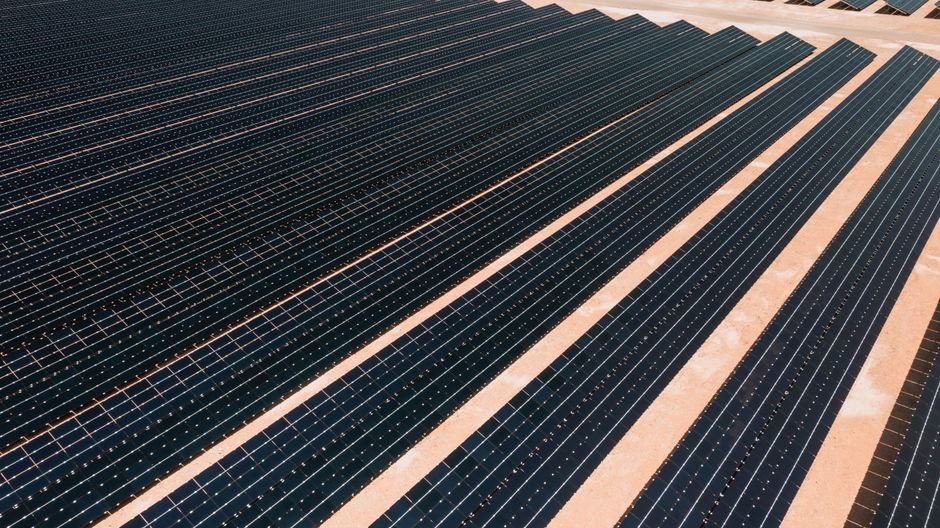
A developer builds a solar array, often a few acres of ground-mounted panels, and connects it to the utility grid. Households and businesses sign up for a portion of its output. Each month, the utility calculates how much power your share produced and applies a credit to your bill.
You then pay the community solar company for those credits, usually at a discount to their face value. The difference is your savings. Some programs combine both into a single bill; others leave you with two. The size of the discount varies by program and state, so compare the stated percentage and how it’s calculated rather than the headline.
There’s a second, less common model where you buy or lease specific panels in the farm outright. That involves an upfront cost and works more like owning a rooftop system located somewhere else.
What is community solar’s biggest limitation
Availability. Community solar depends on state rules that let utilities credit customers for power produced off-site, and not every state has them. Where programs exist, popular projects can fill up and keep waitlists. You also generally have to be in the same utility territory as the farm.
The savings are also more modest than owning panels. You’re not paying for equipment, but you’re not capturing the full value of the power either. The developer keeps a margin. For someone who can’t put panels on a roof, a modest, low-commitment discount may still be a reasonable deal. For a homeowner with a good roof, owning a system usually returns more over its life, as we cover in roof orientation and solar output, which explains why many roofs that aren’t south-facing still work.
And the environmental claim deserves some care. Signing up supports more solar on your local grid, but it doesn’t mean your home runs only on solar power. How much it shifts emissions depends on what the farm displaces on that grid.
Read the contract before signing
The terms matter more than the marketing. Check the length of the agreement; some run month to month, while others last many years. Look for cancellation fees, whether you can transfer the subscription if you move within the same utility area, and whether the discount is fixed or tied to a rate that can change.
Also check how credits are valued. They usually track your utility’s rates, so if those rates or your utility’s crediting rules change, the dollar value of your credits can change too. That works the same way export credits do for rooftop owners, explained in what net metering means for your electric bill.
The Department of Energy’s community solar basics page explains the main program models and is a good place to confirm the terms you’re being offered make sense.
Avoid any offer that asks for a large upfront payment for a subscription. A legitimate subscription program should show you the discount, the term and the exit terms in writing before you sign.