What a Home Energy Audit Involves
A home energy audit is a few hours of testing that shows where your house wastes energy, and if you’re shopping for solar, it belongs before the first quote. Fix the leaks first and you may need a smaller, cheaper system to cover what’s left.
So what does a home energy audit involve? A trained auditor walks through the house, runs a handful of tests, and hands you a prioritized list of fixes. You don’t need to prepare much beyond clearing access to the attic, basement and mechanical equipment.
What does a home energy audit involve on the day
Professional audits vary by provider, but most cover the same ground:
- A review of your utility bills, ideally a full year, to see how usage moves with the seasons.
- A blower door test. A powerful fan is fitted into an exterior door frame to lower the air pressure inside. That exaggerates drafts so the auditor can measure how leaky the house is and find where air gets in.
- Thermal imaging. An infrared camera shows warm and cold patches on walls and ceilings, which often reveal missing insulation or gaps around windows and recessed lights.
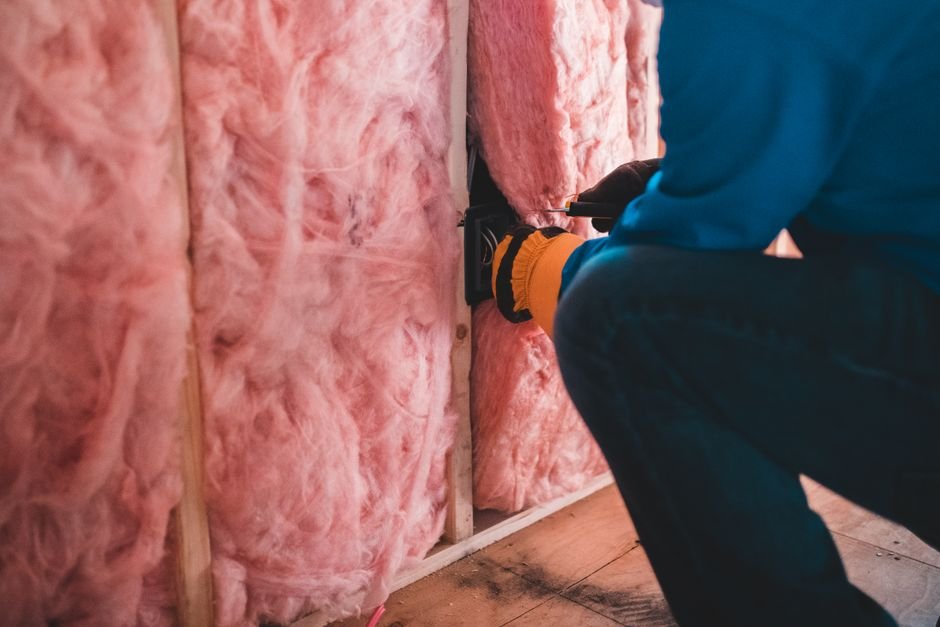
- An insulation check in the attic, walls where accessible, and around ducts.
- An equipment inspection of the furnace, air conditioner or heat pump, water heater and ductwork, including age and visible problems.
- Combustion safety checks on gas appliances, since tightening a house can affect how they vent.
Expect the visit to take a few hours, depending on the size of the house. The report usually follows within days.
Why it comes before solar
Solar is sized to your electricity use. If an audit finds that sealing the attic and adding insulation would trim heating and cooling demand, the system you’d have bought based on last year’s bills is bigger than you now need. Every panel you don’t buy is money saved.
That matters most for homes with electric heat or older air conditioners. A house that leaks heated air all winter will look like it needs a large array, when part of the answer is caulk and insulation. We cover how system size should track real usage in common solar sizing mistakes.
The reverse also applies. If you’re planning to add a heat pump or an EV, the audit is a good moment to estimate that future load so the solar quote includes it.
Cost and who to hire
Prices vary by region and house size, and some utilities offer audits at reduced cost or free to their customers. Check your utility’s website before paying full price. Look for an auditor with a recognized certification, and be cautious of free audits from a company whose main business is selling windows, insulation or solar. Their recommendations may lean toward their own products.
The ENERGY STAR program’s home improvement guidance outlines the common efficiency upgrades an audit tends to recommend.
Using the report
A good report ranks fixes by cost and payoff. Air sealing and attic insulation often sit near the top because they are relatively cheap. Big-ticket items like windows tend to rank lower than their sales pitch suggests.
Do the cheap fixes, live with them for a season, then pull fresh bills for your installer. A quote built on those numbers is closer to what the house will use, which is the basis for how solar pays for itself in the first place.