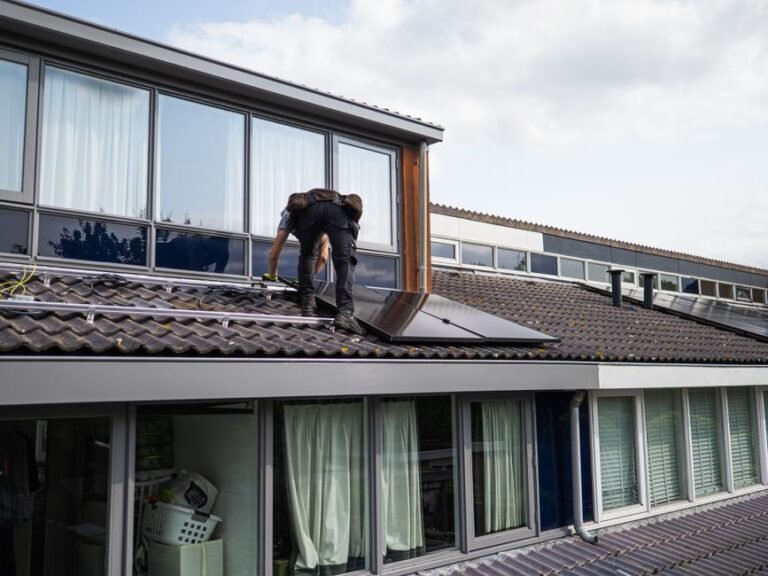
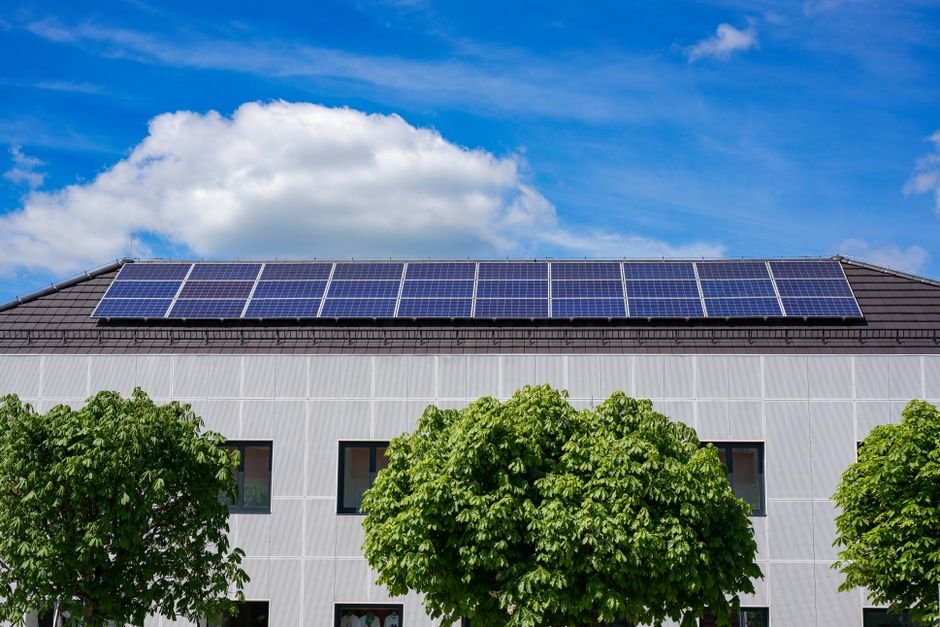
How Shading Affects Solar Panel Output
Can one shaded panel really cut the output of your whole solar array? On a system wired in a single string with a central inverter, yes, it can pull down every panel on that string, not just itself. The shading effect on solar panels is out of proportion to the size of the shadow, and the reason is in how the panels are wired.
A panel is made of dozens of small cells connected in series, like links in a chain. Current has to flow through every cell in turn. When one cell is shaded, it produces less current, and the cells around it can only push as much current through as that weakest link allows. A shadow covering a small corner of a panel can therefore knock out a far larger share of that panel’s output than the area it covers.
Panels have a partial fix built in. Bypass diodes split each panel into a few sections, commonly three, and let current skip around a section that is badly shaded. That stops one shaded patch from killing the whole panel, but the bypassed section contributes nothing while it’s skipped. A thin shadow from a vent pipe or chimney can still cost you a third of a panel at a time.
Why the shading effect on solar panels spreads across a string
The same chain logic applies one level up. In a traditional string system, panels are wired in series and feed a single inverter. That inverter picks one operating point for the whole string. If one panel is struggling, the inverter has to compromise between what the healthy panels want and what the shaded one can deliver, and the whole string produces less.
This is why installers worry about shade that seems minor. A single tree branch that crosses one or two panels in the late afternoon can trim the output of a dozen. The loss shows up hour by hour, so it’s easy to miss on a monthly bill and hard to argue about after installation.
Panel-level electronics are the standard answer. Microinverters convert power at each panel, and DC optimizers tune each panel before its power reaches a central inverter. Either one keeps a shaded panel from setting the pace for the others. They add cost, so they make the most sense on roofs with real shade or panels facing different directions. We compare the equipment types in what a solar inverter does.
Judging shade before you sign
Shade changes through the year. The sun sits lower in winter, so a tree or neighboring roof that is harmless in June may cover panels for hours in December. Deciduous trees look bare in a winter site visit and then leaf out for the months when production matters most. A good installer models shade across the whole year with a site-specific tool, not by eyeballing the roof on one afternoon.
Ask to see the shade analysis, including which panels are affected and by how much. Sometimes the best fix is simply leaving the worst-shaded spot empty and adding a panel elsewhere. A clear east- or west-facing plane can beat a shaded south-facing one, as we explain in roof orientation and solar output. The Department of Energy’s overview of solar photovoltaic system design basics covers how cells, panels and arrays fit together.
Trimming trees helps, but check who owns them and whether local rules limit cutting first. And once the system is running, watch per-panel data if you have it: a panel that consistently lags its neighbors at the same hour is usually telling you about shade.