Battery Chemistry Cold Weather Performance: Why Some Packs Lose More Range
Battery chemistry cold weather performance varies more than most range estimates let on. Every lithium-ion battery loses range in the cold, but not by the same amount, and the chemistry inside the pack is a big part of why. Cold slows down the movement of lithium ions between electrodes — the same reaction that discharges the battery also gets sluggish, which shows up to the driver as reduced range and slower charging until the pack warms up.
Battery chemistry cold weather performance: why some hold up better
Nickel-heavy chemistries like NMC generally maintain power output in the cold better than lithium iron phosphate, or LFP, which is more cold-sensitive and can see a sharper charging slowdown below freezing. That’s part of the tradeoff automakers weigh when choosing a chemistry: LFP is cheaper and more tolerant of frequent full charging, but it typically needs more aggressive pack heating to perform well in winter than an NMC or NCA pack does. Neither chemistry is immune to cold; they just lose ground at different rates, and that difference is one of several factors — alongside cost and how many full charges a pack tolerates over its life — that goes into an automaker’s chemistry choice for a given model.
What the battery management system is doing about it
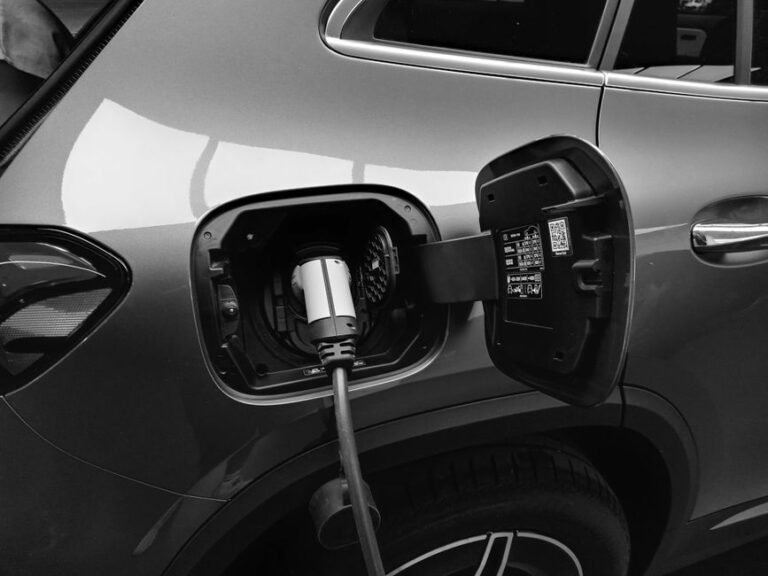
Modern packs fight this with thermal management rather than raw chemistry alone — resistive heaters or coolant loops that warm the cells before and during a cold-weather charge, particularly at a fast charger, where a cold cell simply can’t accept current as quickly as a warm one. This is also why preconditioning a battery before plugging into a fast charger, something many EVs do automatically when a charging stop is set as a destination, meaningfully cuts charging time in winter compared to plugging in cold. It’s the same discharge-rate physics behind why a battery’s C-rate matters more when the cells are cold — the maximum safe rate drops along with the temperature.
What a driver actually notices
Expect a real-world range drop in freezing temperatures, driven by both the chemistry slowdown and the separate, larger draw of cabin heating. The chemistry effect alone is usually the smaller half of that number; running a heater and warming a battery pack from a cold start costs more range than the cold cells do by themselves. Preconditioning the cabin while still plugged in, rather than after unplugging, avoids pulling that energy from the battery at all. The Department of Energy’s fuel economy guidance on cold weather covers the cabin-heating side of this in more detail, since it affects gasoline and electric vehicles alike.
None of this means cold weather makes an EV impractical — millions are driven daily through winters far colder than most trips require. It means range estimates from a spec sheet assume mild conditions, and a driver who runs the numbers in January should expect less than the number printed on the window sticker, not because anything is wrong with the car, but because the sticker number was never tested at that temperature in the first place.