Common Mistakes Homeowners Make When Sizing a Solar System
The most common mistake in sizing a home solar system isn’t underbuilding — it’s oversizing based on a rough guess instead of actual usage data. A system sized to yesterday’s assumptions about your electricity use ends up either producing power you can’t use profitably or leaving you short in the months you need it most.
Sizing a home solar system starts with usage, not roof space
A proper approach to sizing a home solar system starts with 12 months of utility bills, not the square footage of your roof. Energy use swings seasonally, and a system sized off a single month’s bill misses that swing entirely. If you’re planning to add an EV or a heat pump soon, that future load belongs in the sizing conversation now, not as an afterthought later.
Bigger isn’t automatically better
Some installers pitch the largest system your roof can physically hold, on the logic that more panels means more savings. That’s not always true once net metering credit rates and any production caps in your incentive program are factored in. Producing more than you can use or export profitably just adds cost without adding proportional savings.
Shading and orientation get skipped
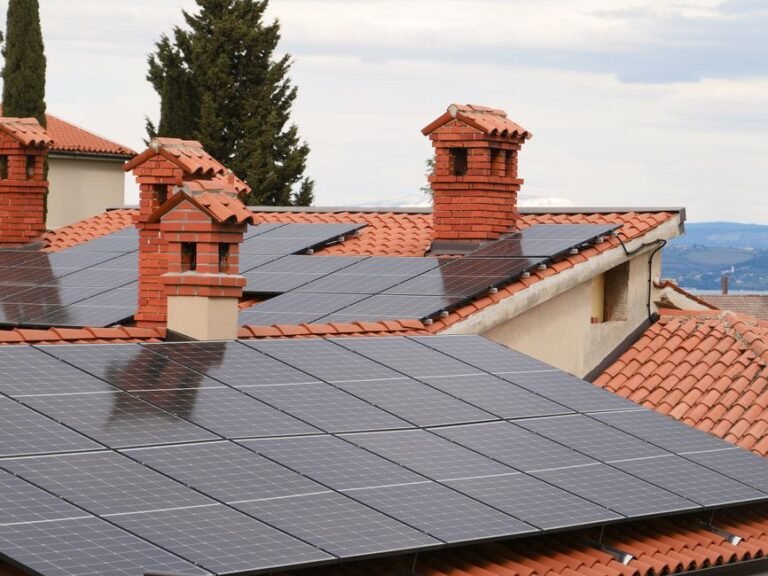
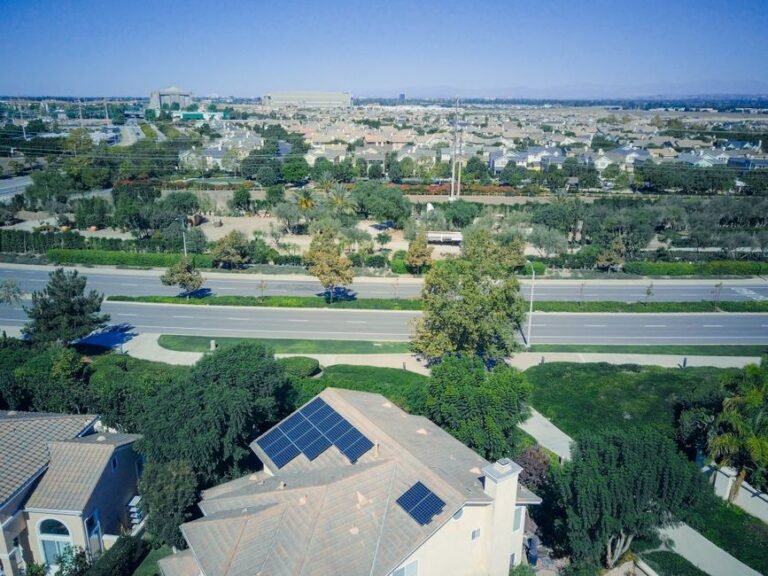
A quote based on roof square footage alone, without an on-site shading analysis, can overestimate production significantly. Trees that are bare in a site-visit photo but leafed out for half the year, a neighbor’s addition, or a roof with mixed east-west exposure instead of a clean south face all change the real output, sometimes by a wide margin depending on the specifics of the site.
Inverter sizing gets overlooked too
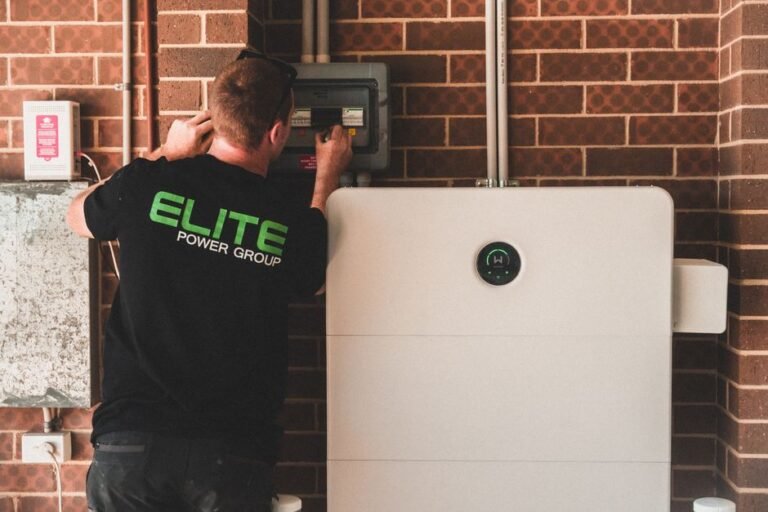
The inverter that converts your panels’ DC output into usable AC power needs to be matched to the array, not just maximized. An undersized inverter clips peak production on the sunniest days; an oversized one adds cost without added benefit, since it will rarely run near its full capacity. A qualified installer sizes the inverter to your specific panel layout and roof orientation rather than a one-size formula.
Utility interconnection rules can cap system size
Some utilities cap how large a system you can interconnect without additional engineering review or grid upgrades, and that cap doesn’t always match what the roof could physically hold. Ask early whether your proposed system size clears your utility’s standard interconnection process, since a system that triggers extra review can add months and cost to the timeline.
- Sizing off one utility bill instead of a full year
- Ignoring planned future loads like an EV or electric heat pump
- Skipping a real shading analysis in favor of a satellite-photo estimate
- Maximizing panel count without checking your utility’s net metering or export limits
- Not accounting for panel degradation, which reduces output gradually over the system’s life
- Ignoring your utility’s interconnection size limits until after the contract is signed
The U.S. Energy Information Administration’s explainer on solar power is a useful starting point for understanding how production estimates are built.
Ask any installer to show their production estimate next to your actual 12-month usage, side by side. If they can’t produce both, get a second quote before you commit.